Basmati Rice: A Symbol of Tradition & Excellence
Basmati rice is renowned for its long, slender grains and distinctive aroma. It has been cultivated in the Indian subcontinent for centuries, making it a staple in global cuisine. Over time, it has gained prominence in Middle Eastern and Central Asian markets, appreciated for its rich taste and superior quality.
India is the largest producer of Basmati rice, accounting for over 70% of the world's total output. With an annual production capacity of approximately 4.5 to 5 million tonnes, India continues to lead the global supply of this highly sought-after rice variety.
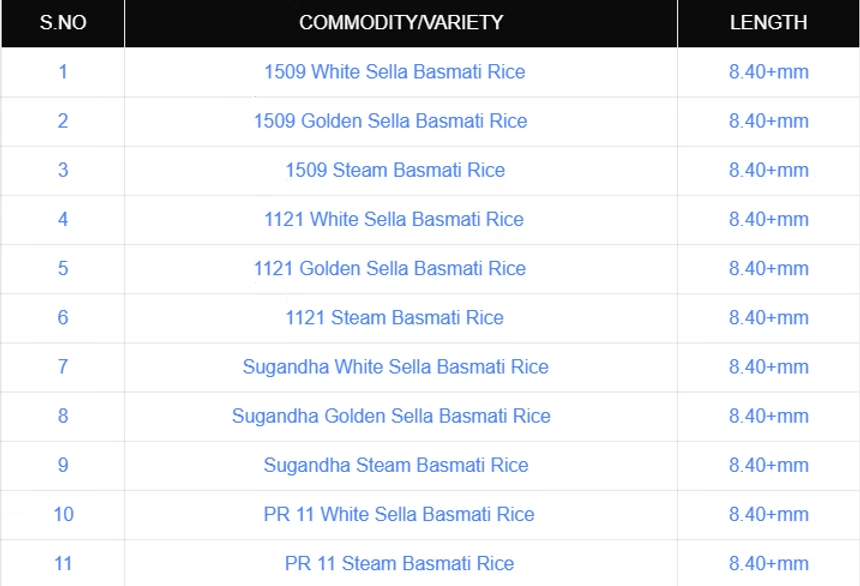
- 1121 White / Golden / Steam
- 1509 White / Golden / Steam
- Sugandha White / Golden / Steam
- PR 11 White / Steam
Varieties of Basmati Rice
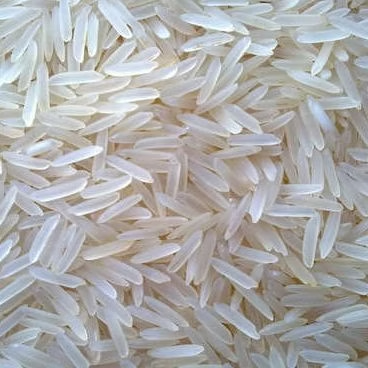
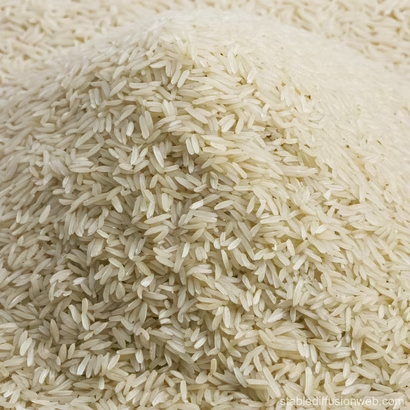
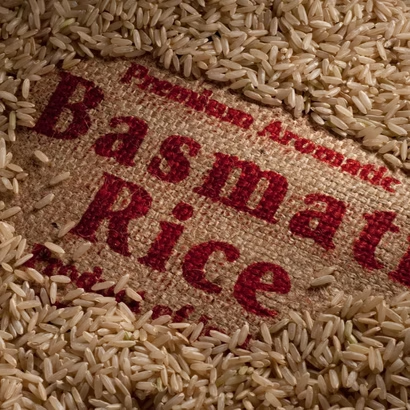
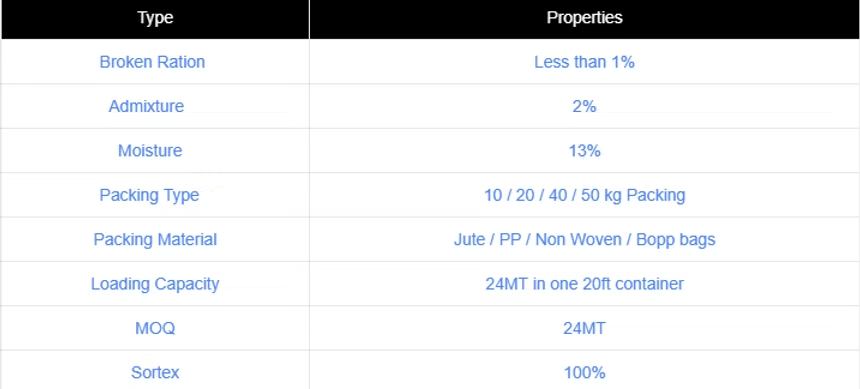
Basmati Rice Product Specification
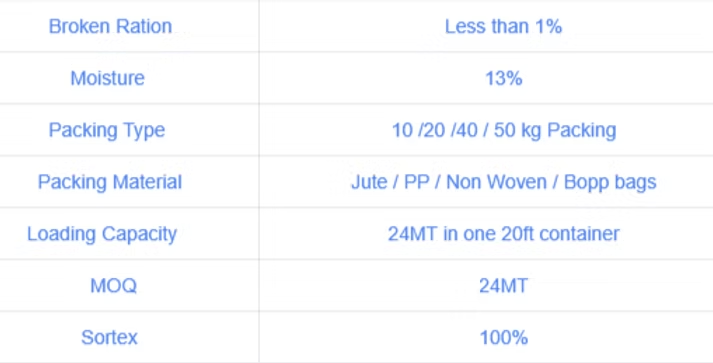
Common Specification
Non-Basmati Rice – A Versatile Staple
Non-Basmati rice refers to all rice varieties that do not fall under the Basmati category. These rice types come in various shapes, sizes, and textures, making them suitable for a wide range of culinary applications worldwide.
In India, rice cultivation still relies on traditional farming practices. The process begins with plowing the fields, followed by the application of natural fertilizers to enhance soil fertility.
- Tanjore Ponni
- Sona Masuri – Raw / Steam
- Long Grain Rice
- Idly Rice – Kranthi – Kundu
- IR 64
Varieties of Non-Basmati Rice
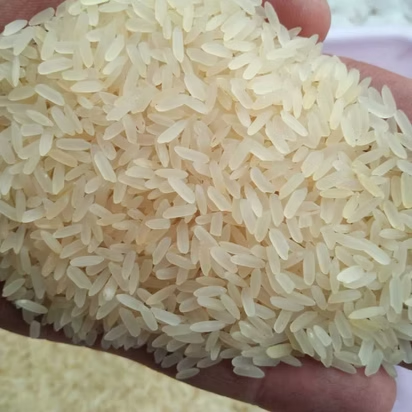
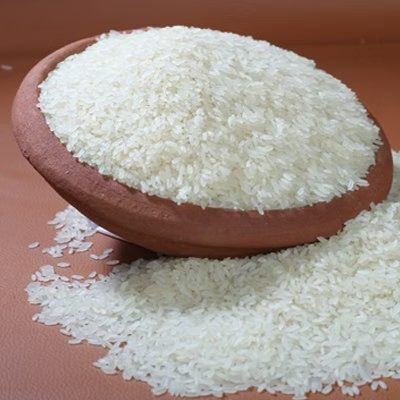
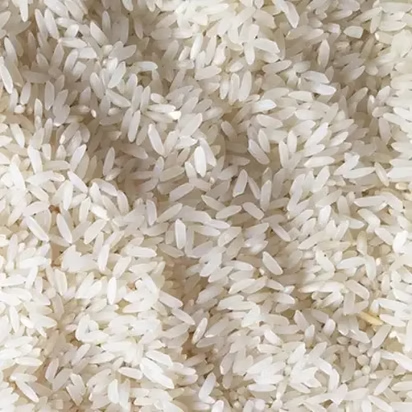
Varieties of Non-Basmati Rice
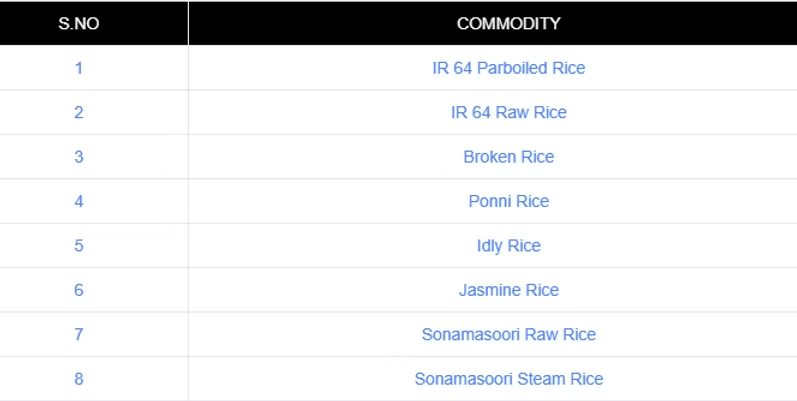
Varieties of Non-Basmati Rice